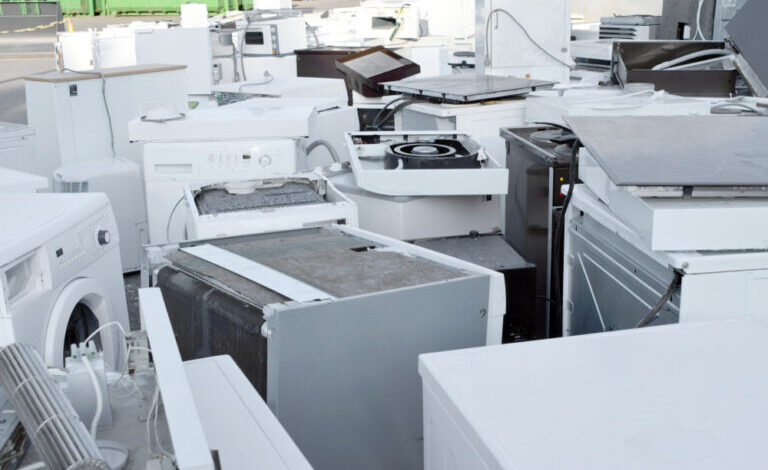
Your new kitchen is finally done. The countertops gleam, the cabinets are exactly the shade you wanted, and the appliances match for the first time in a decade. So why is there a rusty old fridge sitting in your garage?
Renovations have a way of leaving behind more than dust and paint cans. Old appliances pile up fast, and most homeowners have no plan for them until the truck pulls away and the mess is staring them in the face.
The good news is you have more options than the curb—and we’re going to tell you about them today as we discuss your options for dealing with old appliances (including selling them to scrap metal recyclers!).
Why the Old Fridge Can’t Just Go to the Curb
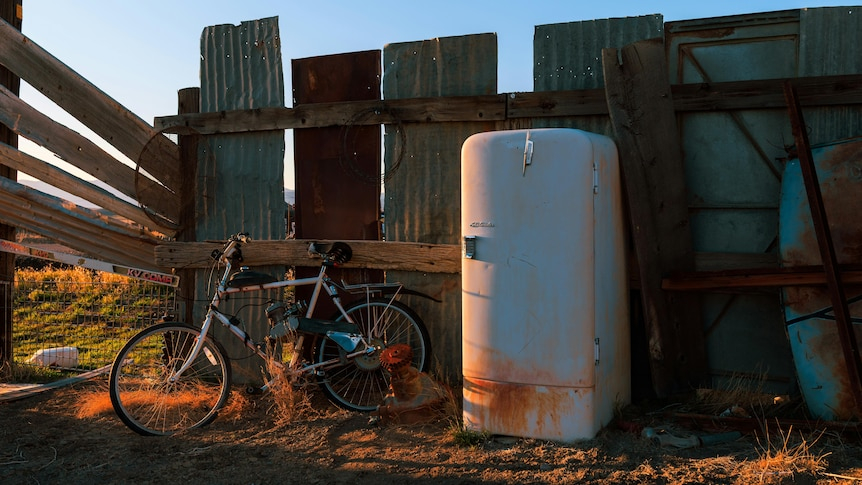
Most cities won’t pick up large appliances with regular trash. Refrigerators and air conditioners contain refrigerants that require special handling, and dumping them illegally can get you fined.
Even appliances without refrigerants, like washers, dryers, and stoves, are usually too heavy and bulky for standard pickup.
There’s also a simple reason to think twice before hauling everything to the landfill: these things have value. Steel, copper, and aluminum inside old appliances are worth money to scrap buyers, and plenty of parts still work fine for someone who needs a budget option. Tossing a functional appliance wastes both.
Before you decide anything, take stock of what you actually have.
- Is it still working, or did you replace it because it broke?
- Is it a name-brand people search for secondhand, or a builder-grade model nobody wants?
- How old is it? Anything over 10 to 12 years is getting close to the end of its useful life anyway.
Options for Getting Rid of Old Appliances
That quick assessment will point you toward the right option below.
Option One: Sell It
If your old appliance still runs and looks decent, someone out there wants it for a fraction of retail price. This is often the fastest way to make some money back on your renovation budget.
Facebook Marketplace and Craigslist are the go-to spots for local appliance sales. List it with clear photos, the brand and model number, and an honest description of its condition. Buyers expect a discount for wear, so price it accordingly.
A few things that help an appliance sell quickly:
- Clean it before you photograph it. A wiped-down stove looks worth far more than a greasy one, even if the mechanics are identical.
- Mention the age and any repairs you’ve made.
- Be upfront about scratches, dents, or missing parts. Buyers will find out anyway, and honesty saves you a canceled sale.
Keep in mind that buyers usually need to arrange their own pickup, so be ready to have it out of the way before your renovation crew needs the space.
Option Two: Donate It
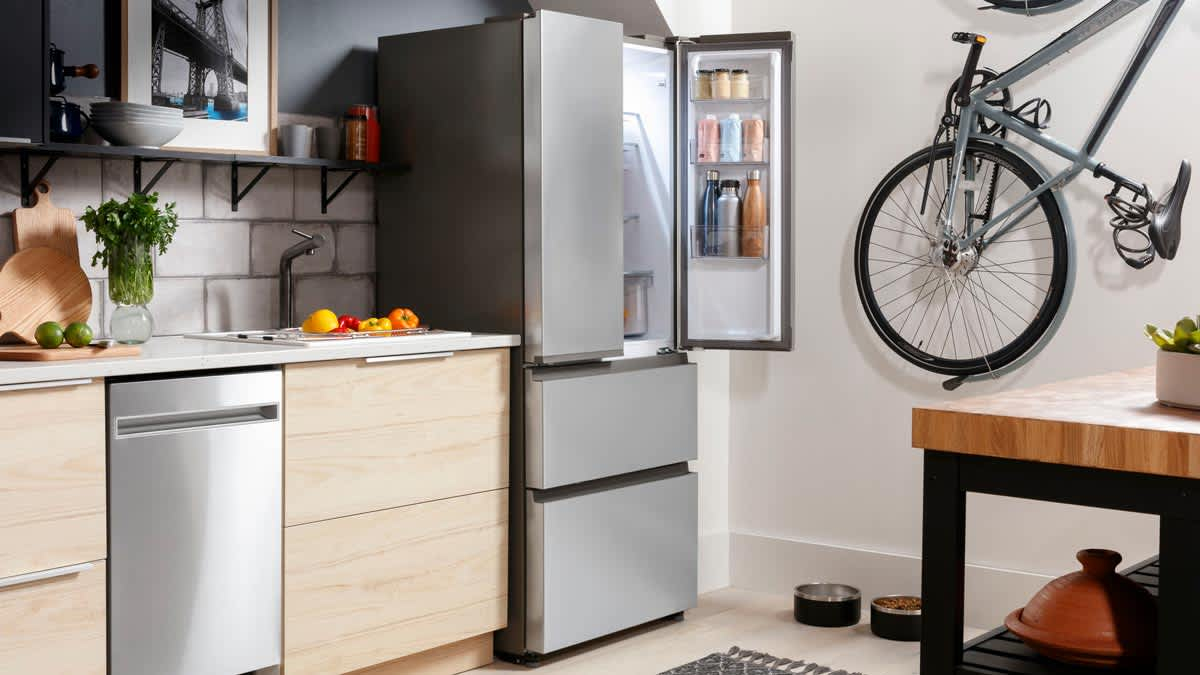
Working appliances in reasonable shape are a solid donation, especially for families setting up a home on a tight budget.
Habitat for Humanity ReStores accept appliances in many areas, and some local charities and shelters take them directly. Call ahead, since most organizations have condition requirements and won’t take anything that needs repair.
A few tips for donating smoothly:
- Confirm pickup availability. Some organizations will come get large items, others require drop-off.
- Ask for a donation receipt if you plan to claim it on your taxes.
- Double check the appliance actually works before you donate it. A broken washer helps no one and just becomes someone else’s disposal problem.
Option Three: Trade It In
If you bought new appliances from a big box retailer, ask about trade-in or haul-away programs at checkout. Many stores will remove your old unit for a small fee, or sometimes for free, when they deliver the new one.
Manufacturers occasionally run trade-in promotions too, offering a discount on a new purchase in exchange for your old model. It’s worth a quick search before you buy anything new during your renovation, since this can solve your disposal problem before it even starts.
Option Four: Recycle It for Scrap
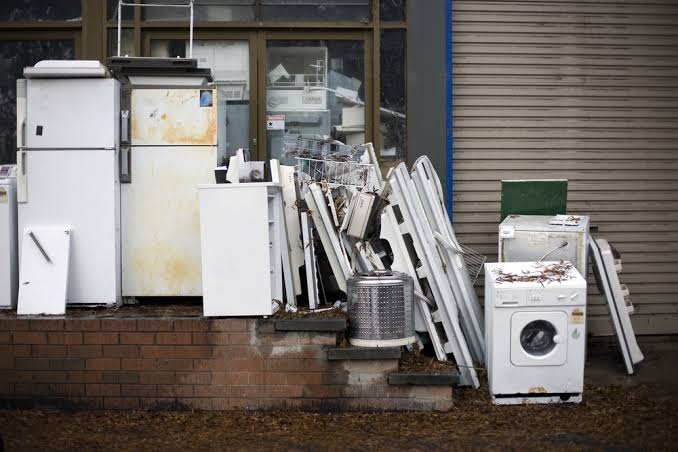
Once an appliance is too old, broken, or unwanted for resale or donation, scrap recycling is the option most homeowners overlook, and it’s often the most practical one.
Appliances are full of recyclable metal. A washing machine has steel in its drum and frame. Air conditioners and refrigerators contain copper coils and aluminum. Even small kitchen appliances have metal components worth pulling out.
Scrap metal buyers will often pick up large appliances for free, since the value of the metal covers their cost of collection. That said, “free” comes with conditions worth understanding before you call anyone.
Some companies advertise free removal but add fees once they see your appliances in person, especially if they’re in a basement, upstairs, or mixed in with other renovation debris. Others take more than what you agreed on or show up with no real business name behind them.
This topic is covered in more depth in this post on what “free scrap metal removal” actually means, including the red flags that separate a legitimate scrap company from one that will cost you more than it should. It’s worth a read before you schedule a pickup, especially if you have several appliances or a full renovation’s worth of metal debris to clear out.
Option Five: Hire a Junk Removal or Scrap Service
Calling in the pros is often the fastest and most efficient option in general. This is particularly true if your renovation left behind a mix of appliances, metal framing, old ductwork, and construction debris that would take you days to sort and haul yourself.
A trustworthy scrap or junk removal company will tell you upfront what they take, what it’s worth, and what the job will cost. Look for a company with a real business name, verifiable reviews, and clear communication before the truck ever shows up at your house.
Ask these questions before booking to make sure you’re working with a reputable company:
- Do they offer a quote based on photos or a description, or do they need to see everything first?
- What items count toward free removal, and what triggers a fee?
- Are they licensed and insured?
- Will they take the metal along with the appliances, or just the appliances?
Doing a little research here saves you from surprise charges and keeps your renovation cleanup from turning into its own headache.
Matching the Right Option to Your Situation

Here’s a quick way to think through your pile of old appliances:
- Still working and in decent shape: sell it or donate it.
- Broken but the brand is desirable: check if parts resellers or repair shops want it.
- Old, broken, or not worth the hassle of selling: recycle it for scrap.
- Multiple appliances plus other renovation debris: call a scrap or junk removal company for a single pickup.
Homeowners often end up using a combination of these. Maybe the newer microwave gets sold, the ancient dishwasher gets scrapped, and the old cabinets get donated separately.
That’s normal, and it’s usually the approach that gets the most value out of everything you’re clearing out.
Wrapping Up
A renovation gives you a fresh space, but it also leaves you with the job of clearing out what came before. Old appliances don’t have to sit in your garage for months while you figure out what to do with them.
Take a few minutes to assess what you have, match each piece to the right option, and you’ll turn what feels like a chore into a straightforward part of your renovation checklist.
Whether you sell, donate, or scrap, the goal is the same: get the old stuff out and keep it out of the landfill, all while putting a little value back in your pocket along the way.