Scrap metal is an unavoidable part of machining, fabrication, repair, and manufacturing. Cutoffs accumulate, old components get replaced, and bins slowly fill with turnings and other leftover material.
The mistake is assuming all of that scrap belongs in the same container.
Different metals can have very different recycling values, even when they look similar.
Mixing higher-value material with common metals can result in the entire load being treated as a lower-value grade. Contamination, cutting fluids, and poor labeling can create similar problems.
Valuable Scrap Metals You Should Keep Separate
A basic sorting system can help industrial shops keep valuable materials from disappearing into a mixed scrap bin. Here are seven materials worth separating whenever possible.
1. Nickel Superalloys
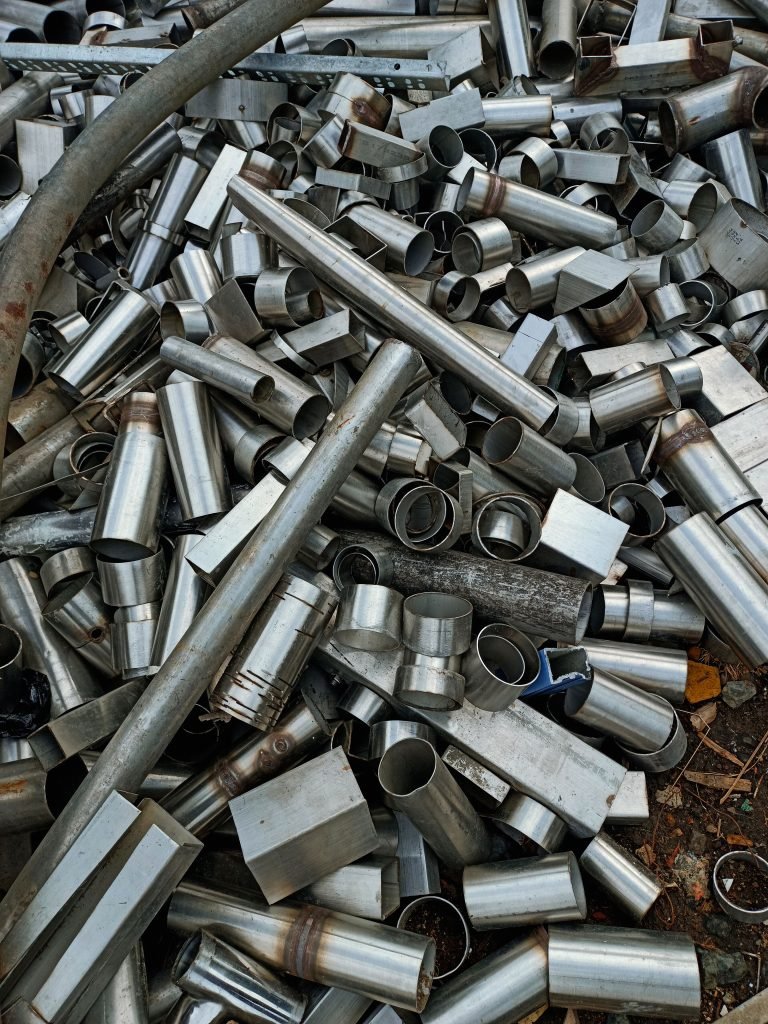
Nickel superalloys are easy to overlook because many resemble stainless steel. Yet their composition can make them considerably more valuable as scrap.
Inconel, Hastelloy, Monel, Waspaloy, and similar alloys are designed for demanding environments involving high temperatures, pressure, corrosion, or a combination of these conditions.
They can turn up in chemical processing equipment, refinery components, marine hardware, power generation equipment, heat exchangers, valves, pumps, piping, and other industrial applications.
Shops working with these materials may generate solid cutoffs, worn components, weld stubs, machining turnings, and other usable scrap.
One of the biggest problems is identification. A quick visual inspection may not distinguish a nickel superalloy from stainless steel, and a magnet test isn’t necessarily enough to tell them apart.
More precise identification methods, such as XRF testing, can determine the composition of an unknown alloy.
Learning how to recognize and handle nickel superalloy scrap separately can help prevent valuable alloys from being priced as ordinary mixed metal.
2. Copper
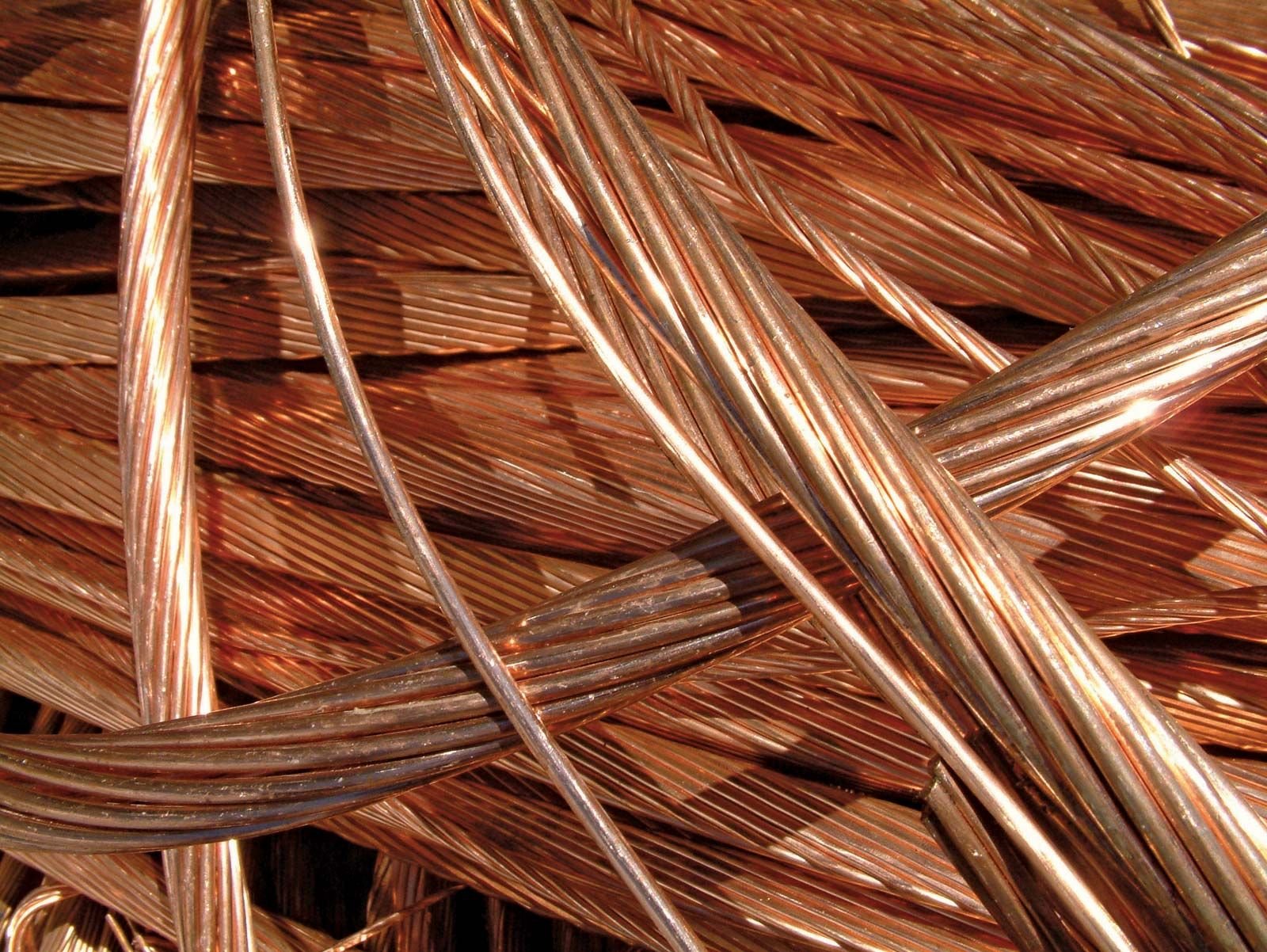
Copper is one of the more recognizable valuable metals found around industrial facilities, but that doesn’t mean every piece should automatically go into the same bin.
Copper can come from electrical wiring, bus bars, motors, transformers, plumbing, tubing, machinery, and electrical equipment. Its condition and form can affect how it is classified for recycling.
Clean copper that’s free from insulation, solder, coatings, or other materials may be treated differently from contaminated copper or insulated wire.
For shops that generate copper regularly, separate containers can prevent clean material from becoming mixed with lower-grade scrap. Keeping wire, tubing, and clean solid copper organized can also make the material easier to assess when it is time to sell.
3. Brass
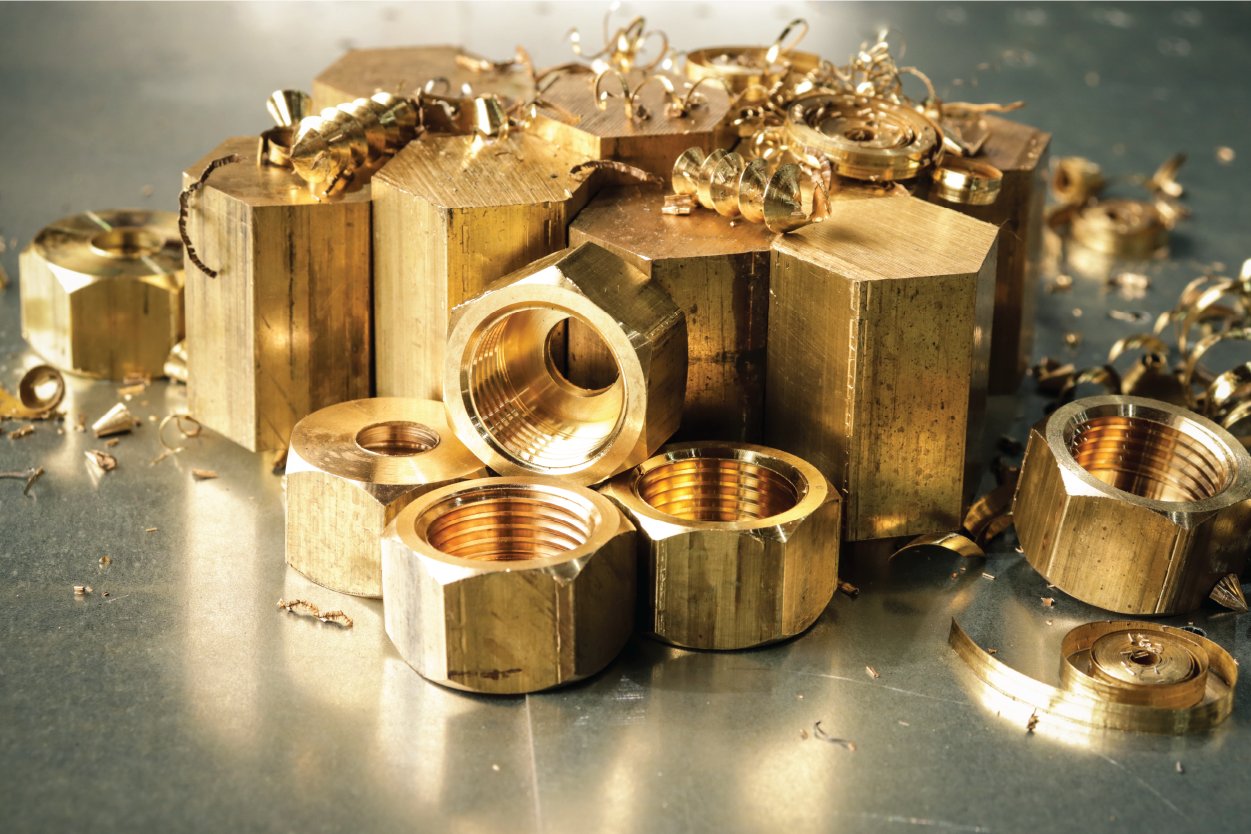
Brass is easy to come across in an industrial setting. It’s commonly used for valves, fittings, bearings, bushings, plumbing components, hardware, and machinery, and its yellow-gold appearance can make it fairly easy to spot.
Brass can become harder to process when it’s left attached to other metals. A valve connected to steel piping is one example of mixed scrap that may need to be separated before the individual metals can be recovered.
Separating brass as equipment is dismantled can prevent those pieces from ending up in a general ferrous-metal container.
It’s also useful to distinguish brass from similarly colored metals when possible. Different copper-based alloys can contain different proportions of copper, zinc, tin, and other elements, which can affect how they are classified.
4. Stainless Steel
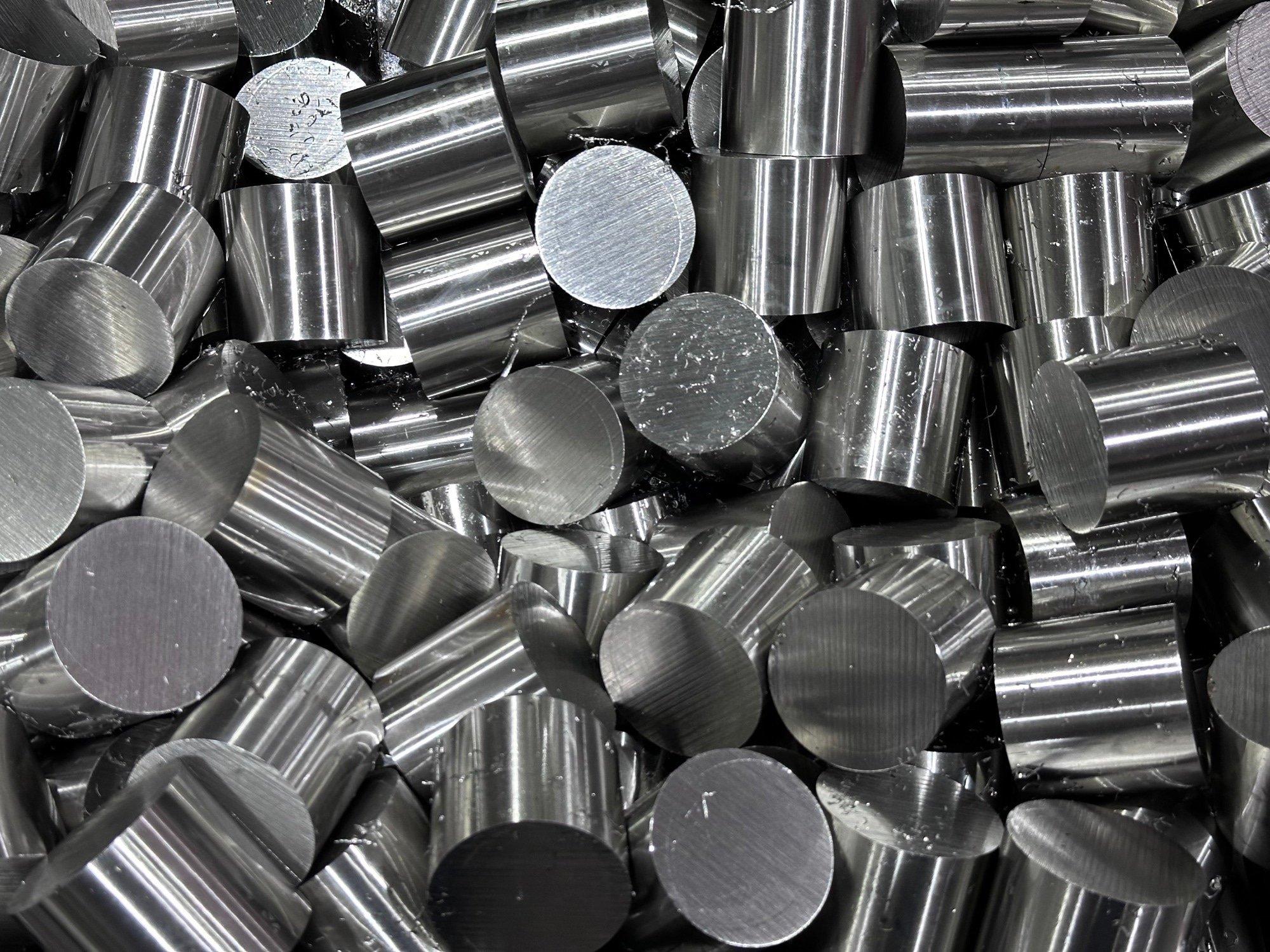
Stainless steel is common across food processing, manufacturing, chemical processing, construction, medical equipment, and countless other industrial settings.
Because there is so much of it, stainless frequently becomes the default destination for any silver-colored metal that doesn’t appear to be ordinary steel. That’s where shops can accidentally lose higher-value material.
Nickel alloys, cobalt alloys, and certain other specialty metals can resemble stainless steel closely enough to end up in the wrong bin.
Stainless itself also comes in numerous grades. If the alloy grade is known when material enters the shop, preserving that information through fabrication and disposal can make sorting much easier later.
Labels on bins can help, as can keeping remnants associated with their original job paperwork until their composition is known.
5. Aluminum
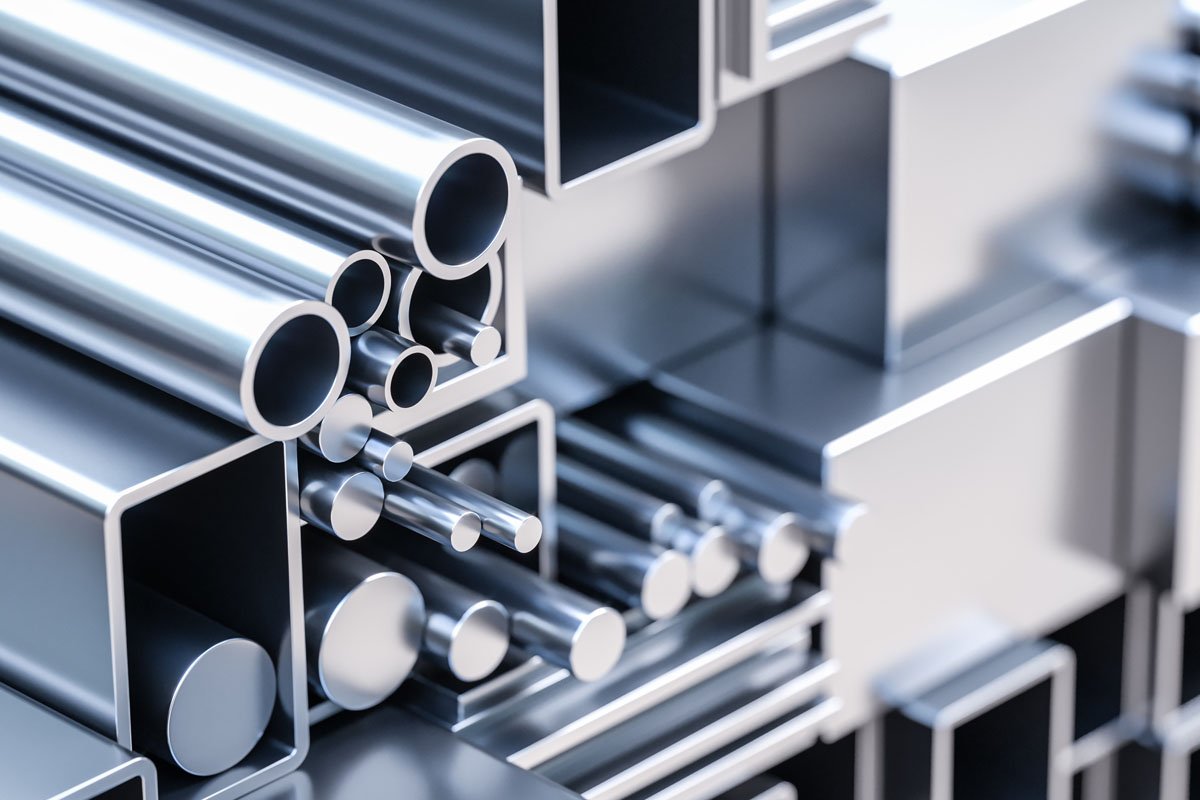
Aluminum is another material that can accumulate quickly in fabrication and manufacturing facilities.
Aluminum scrap may include everything from sheet and plate to extrusions, housings, structural pieces, machine components, and fabrication offcuts. Machining can also leave shops with a steady supply of aluminum chips and turnings.
The cleaner and better separated the material is, the easier it is to manage. Aluminum should be kept away from steel and other metals, while oily or coolant-covered turnings can be stored apart from clean pieces.
Separate containers for solid aluminum and machining chips are a simple way to keep those materials organized and prevent contamination between them.
6. Cobalt Alloys
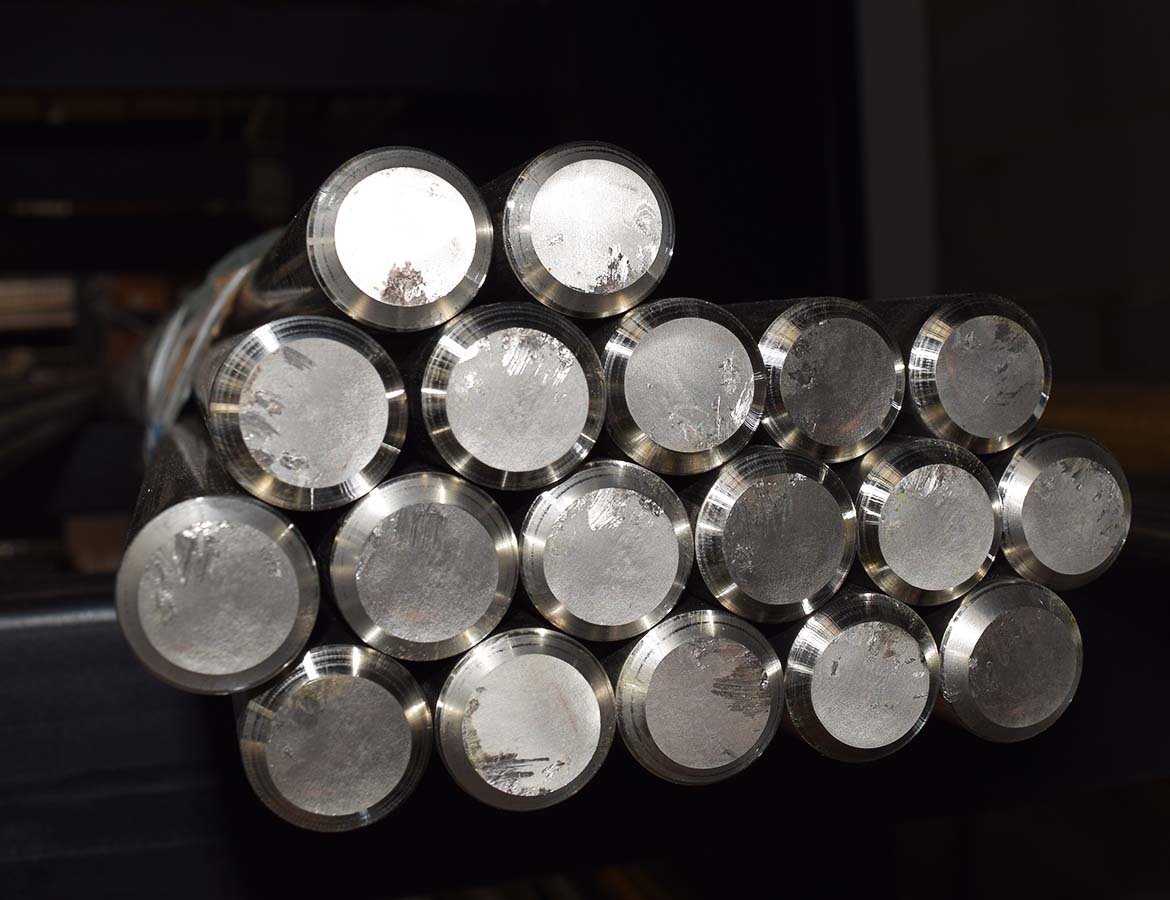
Cobalt-bearing alloys can appear in industrial applications involving heat, friction, corrosion, and wear. They may be found in hard-facing materials, cutting applications, valves, turbine components, and other specialized equipment.
Like nickel superalloys, cobalt alloys may be difficult to identify based on appearance alone. Throwing an unidentified specialty component into a stainless or general metal bin can mean its alloy content is never considered when the scrap is evaluated.
This is another area where documentation helps.
If a shop knows the alloy used for a component, retaining tags, specifications, material test reports, or other identifying information can save considerable guesswork later. Unknown materials may require testing before their composition can be confirmed.
7. Carbide
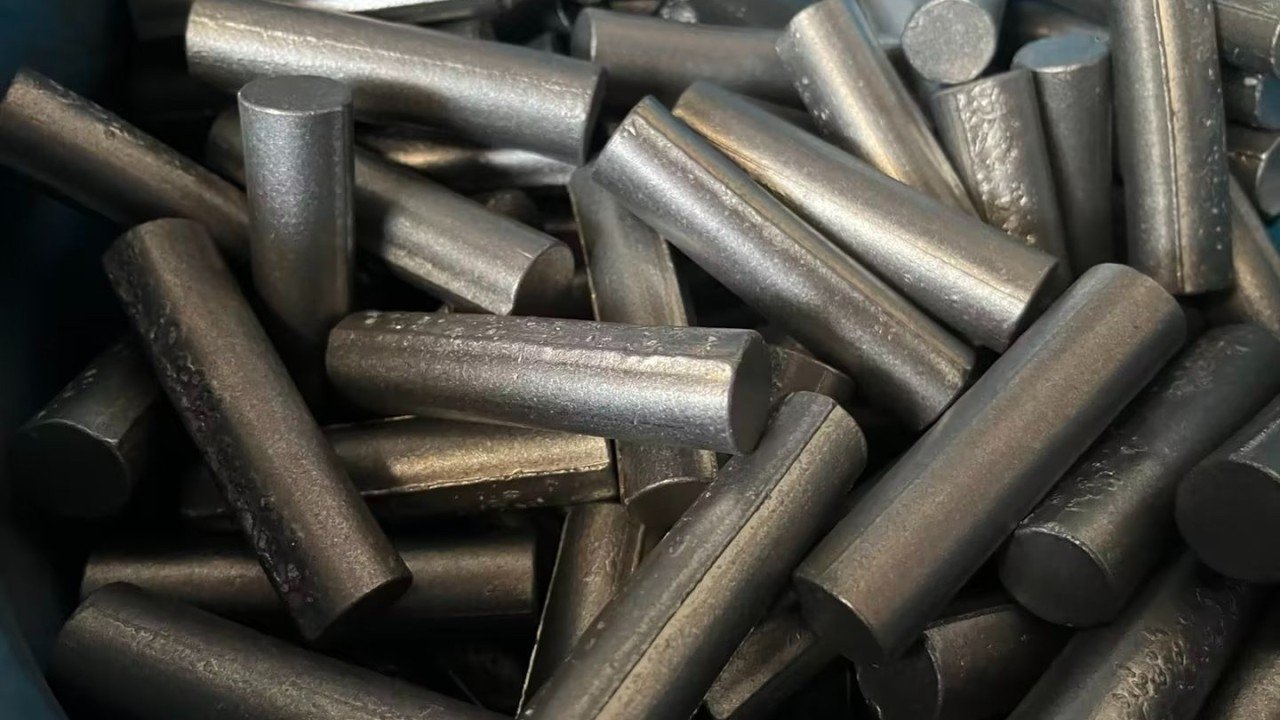
Carbide deserves its own collection system in machine shops because it can accumulate in relatively small pieces that are easy to discard accidentally.
Worn cutting inserts, drills, end mills, tooling, and other carbide components can pile up gradually. Individual pieces may seem insignificant, but a shop that machines material every day can accumulate a substantial quantity over time.
A small, clearly marked container near machining areas can make carbide collection easier. Employees can place worn tooling there rather than throwing it into general waste or a mixed scrap container.
Keeping carbide separate from ordinary steel tooling also makes the eventual sorting process much simpler.
Why Scrap Form Matters
Knowing the metal is only part of the sorting process. Its physical form and condition can matter as well.
Solid plate, bar, and clean cutoffs are relatively straightforward to handle. Turnings and swarf present a different situation because they can retain cutting oils and coolants.
For nickel superalloys specifically, the source article notes that clean solids generally command higher prices than turnings, while mixed loads can be valued according to the lowest-value material present.
That principle makes shop-floor separation particularly useful. Waiting until everything reaches one large scrap container can make sorting far more difficult.
Keep Material Identification With the Scrap
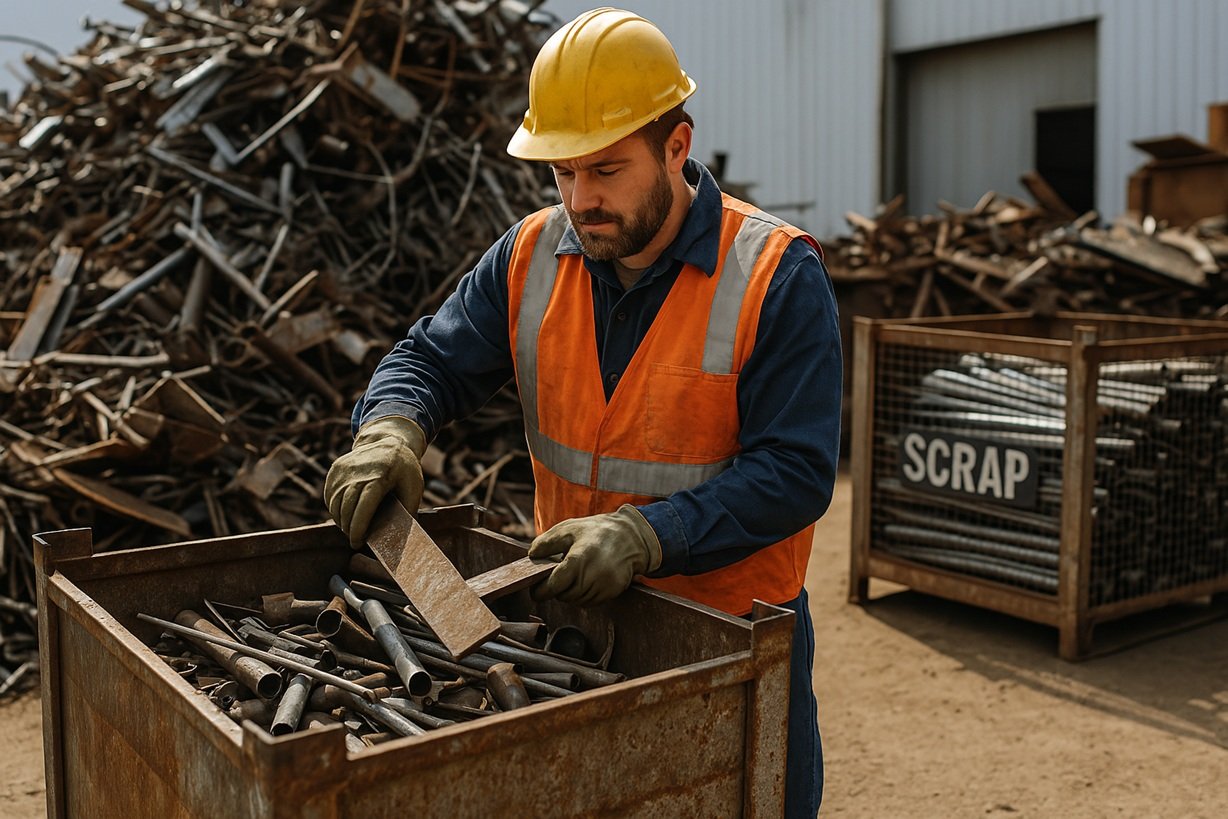
One of the simplest ways to improve scrap sorting is to preserve information the shop already has.
Mill certificates, material test reports, purchasing records, alloy tags, nameplates, specification sheets, and stamped part numbers can all provide clues about material composition.
The original documentation may be much easier to interpret than an unidentified piece of metal several months later.
Containers can also be labeled as material is generated. Instead of asking someone to identify a pile of nearly identical silver-colored cutoffs at the end of the month, employees can place each one in the appropriate container while its grade is still known.
For shops handling several grades within the same alloy family, more detailed labeling may be worthwhile.
Keep Solids and Turnings Separate
Metal type isn’t the only useful way to organize scrap.
Solid cutoffs and machining turnings have different handling requirements, so combining them can create unnecessary complications. Fluids are a particular concern with chips and swarf.
Allowing machining scrap to drain and keeping it separate from clean solids makes storage and eventual processing simpler.
Different alloys should also remain separate rather than sharing a container simply because they were generated on the same machine.
The original source recommends separating scrap at the point where it is generated, keeping turnings apart from solid cutoffs, draining fluids, labeling containers, and storing individual alloys separately.
Create a Sorting System That Works on the Shop Floor
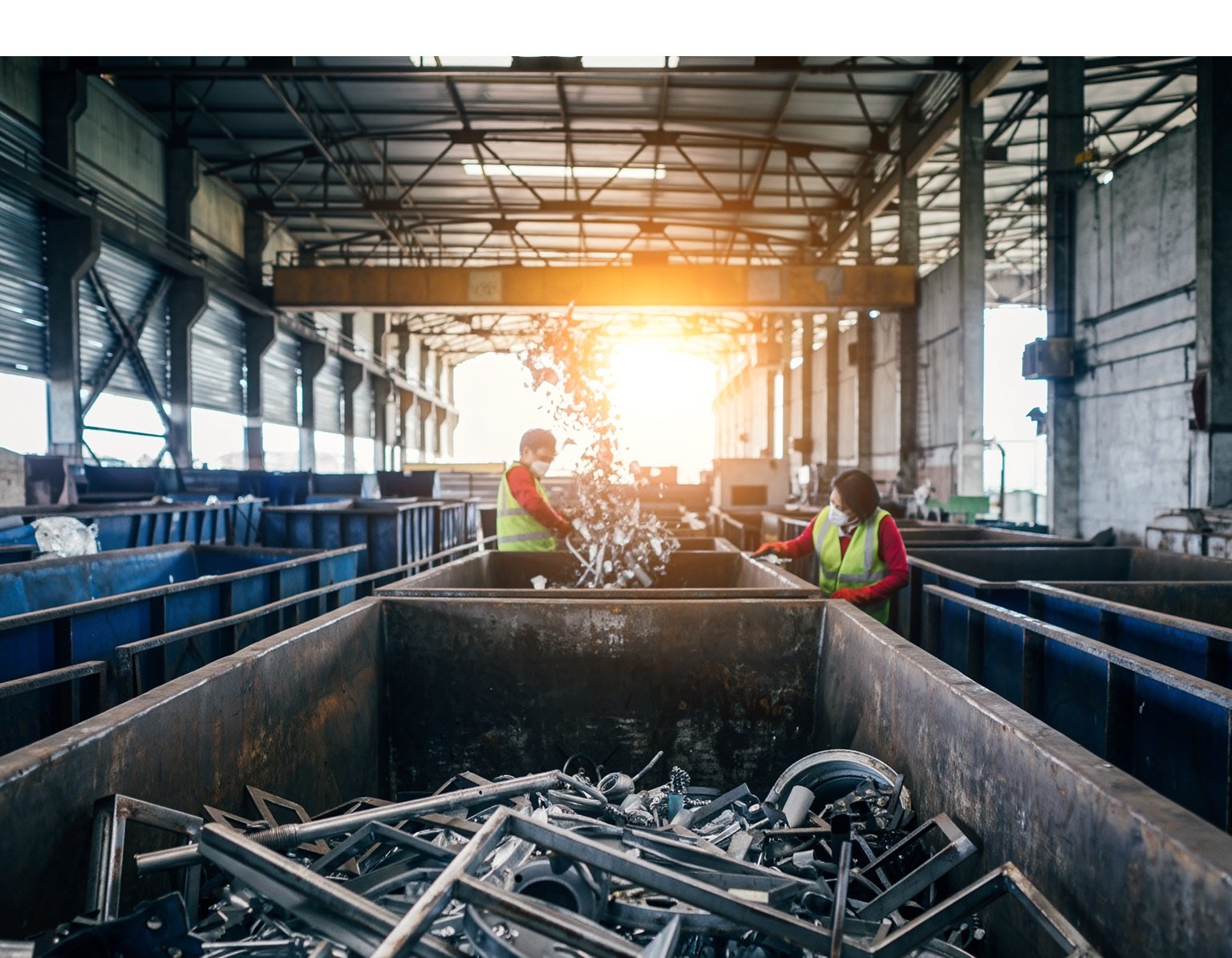
A scrap program doesn’t need to be complicated to be useful.
Clearly labeled containers placed near the areas where particular materials are generated can remove much of the guesswork.
If employees have to walk across the facility or stop production to figure out where a cutoff belongs, materials are more likely to end up in whichever bin is closest.
The number of scrap categories should depend on the facility’s actual metal mix. A shop that generates Inconel scrap every day may have a reason to separate individual nickel alloys, while another facility might group less common materials under a broader specialty-metals category.
Procedures for unidentified material can help too. Rather than guessing, employees can place unknown pieces in a designated container until their composition can be verified.
Small Sorting Habits Can Add Up
Industrial scrap shouldn’t be treated as one uniform waste stream. A bin can contain materials with very different compositions and recycling values, and appearances alone don’t always reveal the difference.
Separating copper, brass, aluminum, stainless steel, carbide, cobalt alloys, and nickel superalloys at the point of generation makes those materials easier to identify and handle later.
Documentation, clean storage, separate containers, and sensible labeling can make the process much more manageable.
For facilities that routinely machine or repair specialty alloys, paying closer attention to what enters the scrap bin can also prevent valuable material from being mistaken for something far more ordinary.