
Entrepreneurship is often viewed from the outside, once a company is already consolidated and recognition has become visible. Behind success, there are difficult decisions, uncertainty, mistakes, and a great deal of perseverance.
The journey of Gabriel Massuh, founder and CEO of Bagno, shows that entrepreneurship is not only about identifying an opportunity. It is also about sustaining it over time with vision, discipline, and the ability to adapt.
That is why we have gathered seven key tips inspired by his experience for building a business with purpose and a long-term outlook.
1. Observe the Market Before Falling in Love with an Idea

One of the first tips for entrepreneurship with vision is learning to look carefully at the market. Many ideas may seem attractive on paper, yet not all of them respond to a real need. Companies that manage to grow often begin with a concrete question:
What problem can I solve better than others?
In the case of Bagno’s founder, the opportunity emerged from observing a clear demand: Chile consumed tropical fruits that it could not produce locally on a large scale. Bananas, for example, became a key fruit in national consumption, despite depending on imports from countries such as Ecuador.
That reading of the market became the starting point. Where some may have seen a geographical limitation, the Chilean-Ecuadorian entrepreneur saw a possibility to connect the agricultural potential of his country of origin with the needs of Chilean consumers.
“A good idea is not valuable only because of how creative it may seem, but because of the need it is able to solve. The market always provides signals; the challenge lies in learning how to read them before others,” Massuh summarizes from his experience.
In a Forbes Central America article about his story in the fruit industry, it is explained how he arrived in Chile from Ecuador with the purpose of making his way into a competitive market and developing a company connected to fruit imports.
2. Do Not Wait for the Perfect Moment to Start
Many people postpone an idea while waiting to gain more experience, more contacts, more resources, or more certainty.
A major part of entrepreneurship consists of starting with what you have and learning along the way. In other words, it means taking risks.
Massuh began his business journey at a very young age. In his early twenties, he moved to Chile to develop a project in a different country, within a demanding industry and alongside already established players.
That stage was marked by doubts, prejudices, and the challenges that come with building a business in an unfamiliar environment.
“Being young can make others doubt you, but it also forces you to listen more and prove through actions what you want to build”, the entrepreneur has reflected on his early years.
Starting young does not mean improvising. It means being willing to learn quickly, correct mistakes, and sustain a vision when there are still no guarantees. In that sense, youth can be an advantage: it allows people to look at problems with less rigidity and take on challenges with greater energy.
3. Turn Perseverance into a Strategy, Not Just an Attitude
Perseverance is often understood as a personal quality. In business, it can also become a strategy. Persisting does not mean blindly insisting on the same approach. It means maintaining the purpose while adjusting the path.
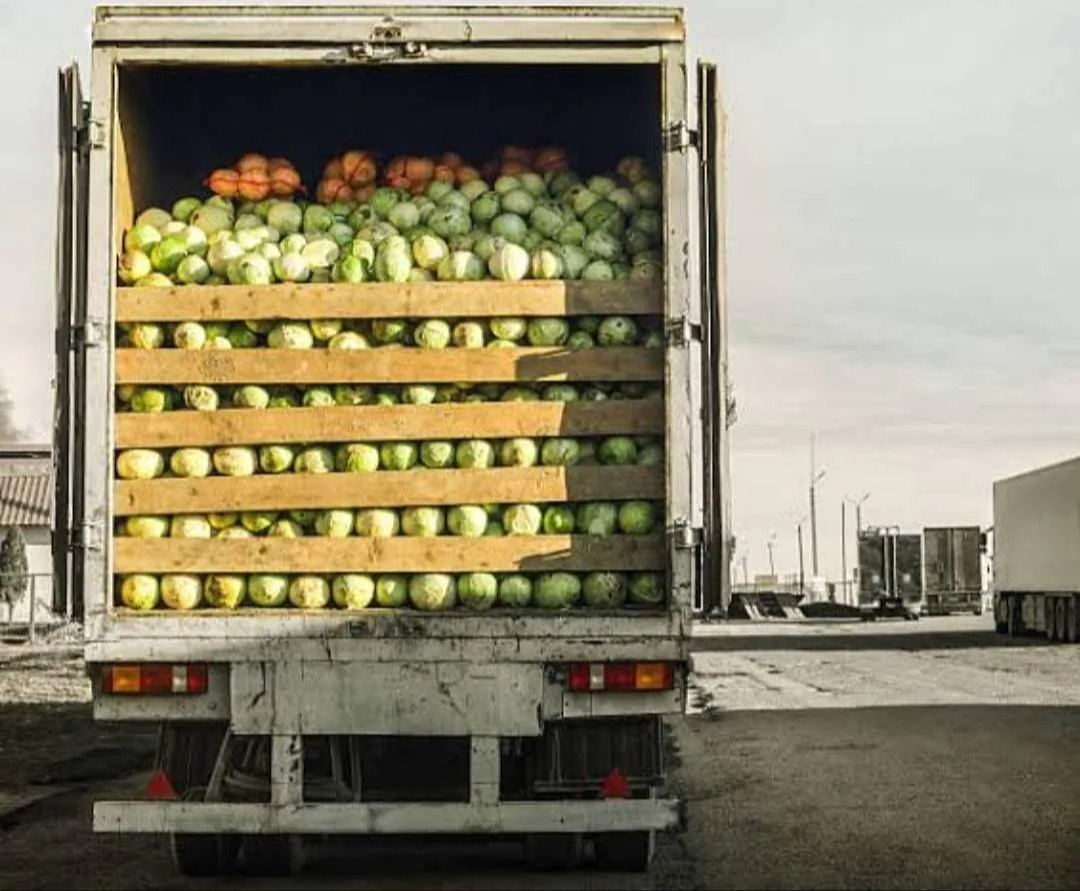
In an industry such as fruit production and distribution, where logistical, sanitary, climate, and commercial factors all play a role, no company grows without facing obstacles. Perishable products require precision, coordination, and the ability to react. Every mistake can affect quality, delivery times, or customer trust.
For that reason, one of the most relevant lessons from this journey is that consistency must be accompanied by practical intelligence. Perseverance is not standing still and waiting for things to improve; it is moving, learning, and making timely decisions.
“Persevering is not repeating the same formula every day. It is being clear about where
you are going, while remaining flexible enough to change the route when the market demands it”, Bagno’s CEO could say from his experience.
That perspective is especially important for those building businesses in competitive markets. The difference is not always found in avoiding problems, but in developing the ability to move through them without losing direction.
4. Learn the Operation Before Thinking Only About Growth
One of the most common mistakes among young companies is becoming obsessed with growth before mastering the operation. Selling more may seem like the main goal, yet if the structure is not prepared, growth can become a problem.
In the food sector, operations are decisive. It is not enough to import fruit; companies must coordinate suppliers, transportation, storage, distribution, quality, and delivery times. A company may have demand, but if it cannot provide freshness and continuity, it loses trust.
The entrepreneur’s experience shows that logistical efficiency can be just as important as commercial vision.
Building a sustainable company means understanding the details of the business: how the product arrives, how long it takes, what risks exist, and how the company responds when something changes.
“A company is built in the details that are often unseen: the route, the port, the temperature, the supplier, the team that receives the product, and the customer who is waiting. That is where trust is at stake”, Massuh could point out.
This advice applies beyond the fruit industry. Before scaling, any business should ask itself whether it can consistently sustain its value proposition.
5. Diversify Before a Crisis Forces You To
Diversification is one of the most important decisions for reducing risk. Depending on a single product, client, channel, or market may work for a time, yet it leaves companies vulnerable to any change.
In Bagno’s history, diversification was key. Although bananas played a central role in the company’s development, over time the company expanded its offering to include other fruits such as mangoes, pineapples, lemons, oranges, and avocados.
This decision made it possible to respond to new consumption habits and strengthen the operation in more uncertain scenarios.
The 2008 financial crisis was a turning point for many companies around the world. In that context, rethinking the strategy stopped being an option and became a necessity.
“Crises force you to look at the business without romanticism. What worked yesterday may not be enough tomorrow. Diversifying was a way to protect the company and open new opportunities”, the entrepreneur has stated when referring to the lessons learned during those years.
For those who are starting a business, this advice is essential: diversifying does not mean losing focus. It means building more than one source of stability so that the business does not depend on a single variable.
6. Lead Through Trust, Not Control

As a company grows, leadership changes. At the beginning, the founder is usually involved in almost everything. Yet there comes a point when sustaining growth requires delegating, building teams, and creating a clear internal culture.
Bagno did not grow only as a commercial operation. It also consolidated a human network behind the business: workers, suppliers, logistics teams, commercial areas, and people who participate in different stages of the chain.
For a business leader, understanding the value of the team is essential. Internal culture is not built through speeches, but through everyday decisions: how people communicate, how problems are solved, how effort is recognized, and how the organization’s purpose is transmitted.
7. Make Sustainability Part of the Model, Not Just the Message
Today’s consumer expects more than good products. People want to know where they come from, how they are produced, how they are transported, and what impact they generate.
In industries connected to food, sustainability is no longer an accessory issue; it is part of the future of the business.
Under the leadership of its founder, Bagno has promoted a vision associated with quality, efficiency, and responsibility across the supply chain. This includes logistical improvements, reduced environmental impact, more responsible packaging, and a long-term view of the operation.
For an entrepreneur with more than 30 years in the fruit industry, sustainability cannot be understood only as a communications trend. It must be part of the concrete decisions that allow a company to remain competitive over time.
“The future of companies is not only about selling more, but about operating better. Growing without responsibility is no longer a sustainable option”, the executive stated.
This advice connects with an increasingly evident reality: companies that want to project themselves into the future will need to balance profitability, efficiency, and environmental responsibility.

